I’m back! Over two years on from my last post in which I explained that for a variety of reasons I felt I could no longer continue trying to get Ethel North’s amazing letters to my grandmother Elsie published in book form, I have decided to give it another go.
Maybe I just needed a break from a project that I’d been working on for over 12 years (while also going through a lot of challenging issues in my personal life) because earlier this year, after an extended sabbatical from My Dear Elsie during which I changed tack completely and wrote two joke books, I’m back on the case.
Probably due to my age and also having experienced a lot of loss in my life, not to mention doing two house clearings for other people after their passing and seeing first hand just how much we can end up leaving behind for others to sort out, I’ve been in an “It’s Now or Never” decluttering phase for a while now. So I’ve just spent the last five months doing a final edit of the book, updating anything in the end notes that has changed during my two year furlough such as Queen Elizabeth II having died and making sure that some of the “personal” information about myself that I have included is really something I am happy for others to read.
And the good thing about putting creative work on the back burner for a while is that when you come back to it, you see it with fresh eyes and in my experience, it’s almost like reading something that has been written by someone else. This makes it so much easier to be objective about editing. For example, I found with my joke books that if a joke I had written over twenty years ago still made me laugh and had a punchline I didn’t see coming, then it was much more likely to make the final cut.
It really helped that within just a few weeks of deciding to return to the book, three different people contacted me out of the blue having found this website/blog and showing considerable interest in it for their own research and projects. I’m not sure if I still believe in “meaningful coincidences” but it did seem rather strange that during my two year break, I don’t think I had any relevant requests but within two or three weeks of picking up the project again, I had three.
So what now? Well, if you’ve been following this blog, you’ll know of my many attempts over the years to get a literary agent or mainstream publisher to take on the book. This has been an incredibly stressful and frustrating process and was one of the reasons why I felt I had to give up on that route and go for self-publishing instead. I still have that latter option in mind but the cost is much too prohibitive for me at the moment. (And I still don’t do the lottery!)
Pitching the book to literary agents and mainstream publishers is definitely not on my agenda any more but I have decided to try my luck with a few independent or “indie” publishers as they are known in the trade. I really like the idea of working with a smaller publisher who really believes in the project and shows a willingness to take a chance on material that, so far anyway, has not been regarded as “commercial enough” by the big players.
Having recently read all of Ethel’s letters and postcards to my grandmother again and for the first time in quite a long while, I’m more certain than ever that they need to see the light of day. It took me back to when I first found them tucked away in a box at the back of my late mother’s wardrobe and as soon as I began to read them, I knew I had an incredible find on my hands that needed to be shared with the rest of the world. That feeling has never completely gone away but it really does have to be “now or never”. So here I go!
I daren’t even look to see how long it is since I last posted but it’s certainly been a while. Anyway, I thought it was time I updated you as to where I’m at with trying to get the letters and postcards that Ethel North (lady’s maid to Lady Winifred Burghclere) sent to my grandmother, published in book form.
After a lot of thought and consideration, I’ve come to the decision that for a number of reasons, I’m not going to be able to do this after all. If you’ve been followingthis blog over the number of years I’ve been posting on it, you’ll know that despite all my efforts, trying to find a literary agent or publisher for the proposed book just hasn’t worked. That was why I then committed to getting it self-published and was determined to do that. However, once I really delved into how much such a venture would cost and how time-consuming it would be both before and after publication, I feel that realistically I simply can’t do it. My age, health and financial situation are all contributing factors now that weren’t necessarily there when I first started on the project.
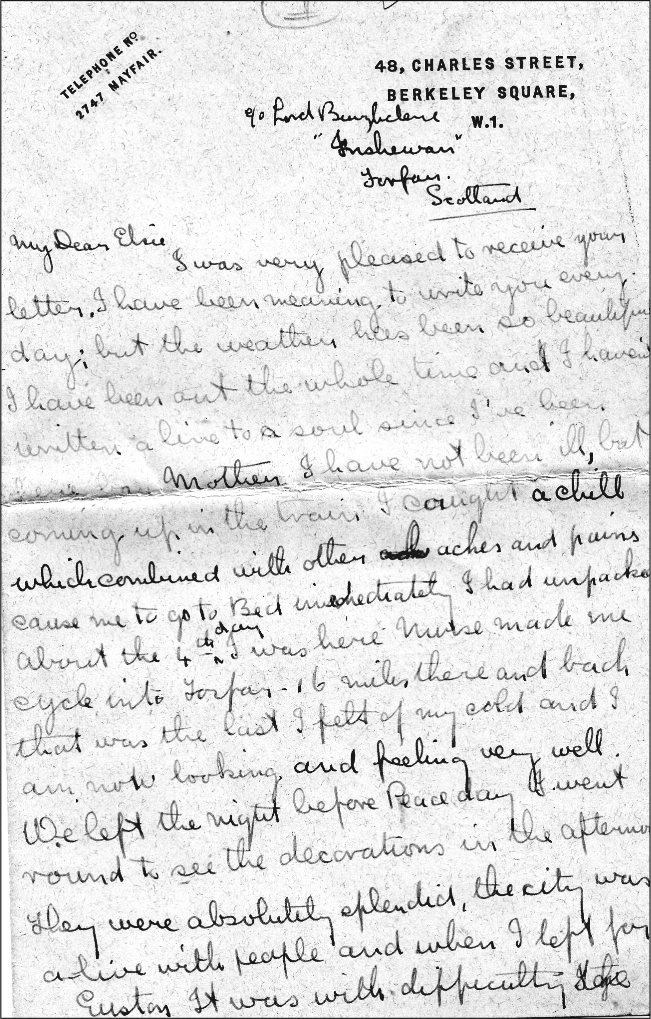
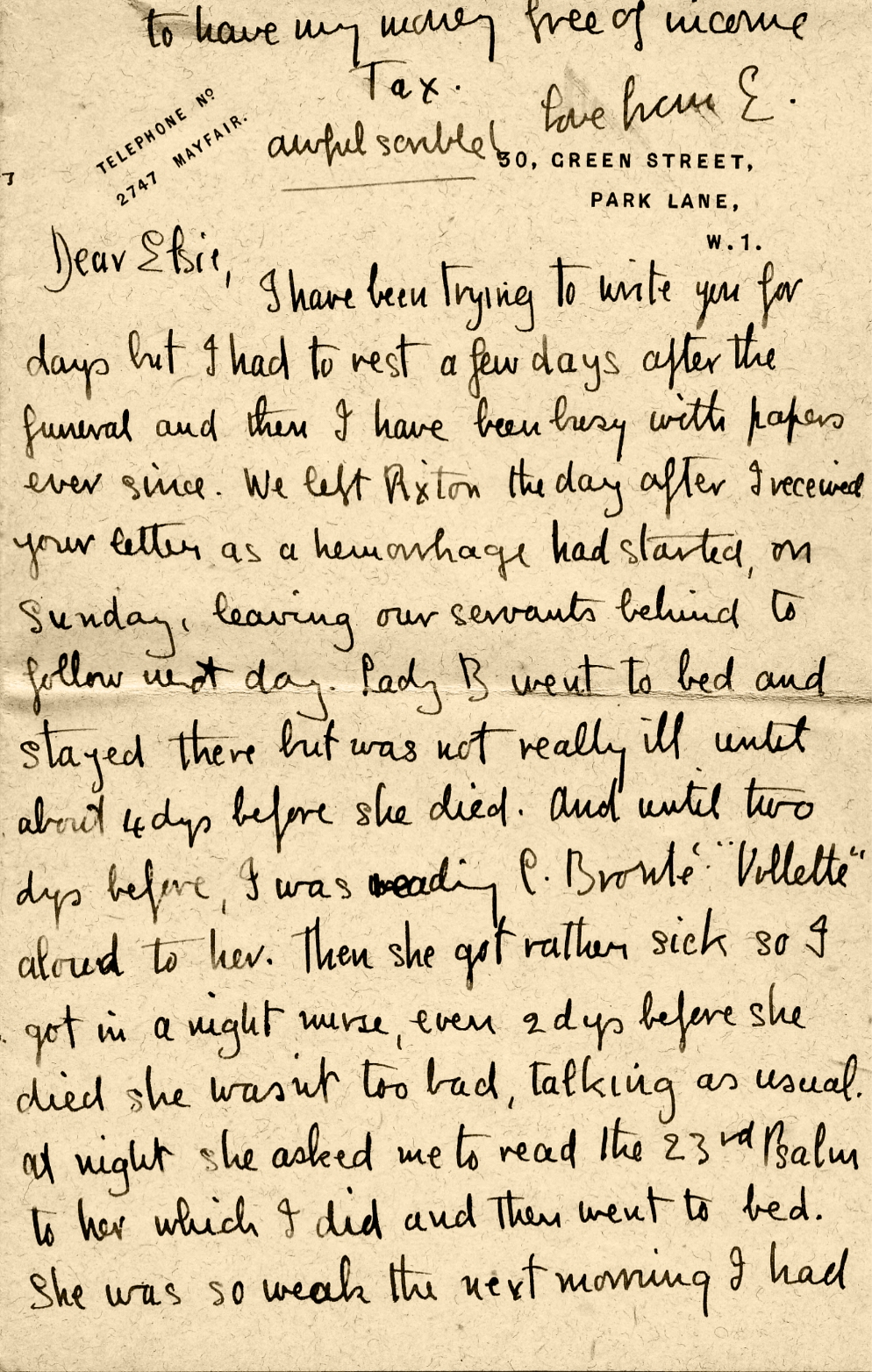
The first page of Ethel’s first letter in the collection
My next decision was to put the letters online (on this website) and I’d actually started doing that but even with that, the amount of work involved and how long it was going to take, cutting down the eighty plus letters and sourcing enough PD or CC images to break up the reams of text on screen, not to mention getting the technical stuff right for mobiles, desk-tops etc was just too much for me.
Of course, if I suddenly won the lottery (even though I never buy a ticket!) and had plenty of money to spare, it might be a different matter as I could pay someone to do the work for me. Likewise, if a “sponsor” was interested in the project (crowdfunding is something I’ve looked at but not ventured into for various reasons) or a traditional publisher wanted to publish the book, I’d never say never.
Crowdfunding is something I’ve looked at
And of course, it is disappointing. When I first found Ethel’s letters in the back of my late mother’s wardrobe and started reading them, my overall feeling was that I wanted other people to be able to read them too. “Share them with the rest of the world” was the phrase that came into my head and the amount of people who have shown an interest in their contents over the years has been really encouraging and kept me going with the project, at least up until now.
There is also something known as the “sunk cost fallacy” to think about. This is where we are more likely to continue an endeavour if we have already invested in it, whether it be a monetary investment or the time and effort that we have put into a project. This often means that we go against evidence that shows it is no longer the best decision to make or even in our best interests any more. It’s a bit like that well-known phrase from the UK quiz programme Mastermind, “I’ve started so I’ll finish”.
Mastermind’s iconic black chair
Well, I definitely started and I’m sad that I don’t seem to be able to finish but such is life as someone much wiser than me once said. And if this is really the end, then I’d like to take this opportunity to thank everyone who has supported the project and encouraged me along the way. It has meant a great deal to me and it has been a real privilege to share some of Ethel’s amazing story with you, even though it has only been in snippets, rather than as a complete book.
Thank you all.
Melissa Lawrence
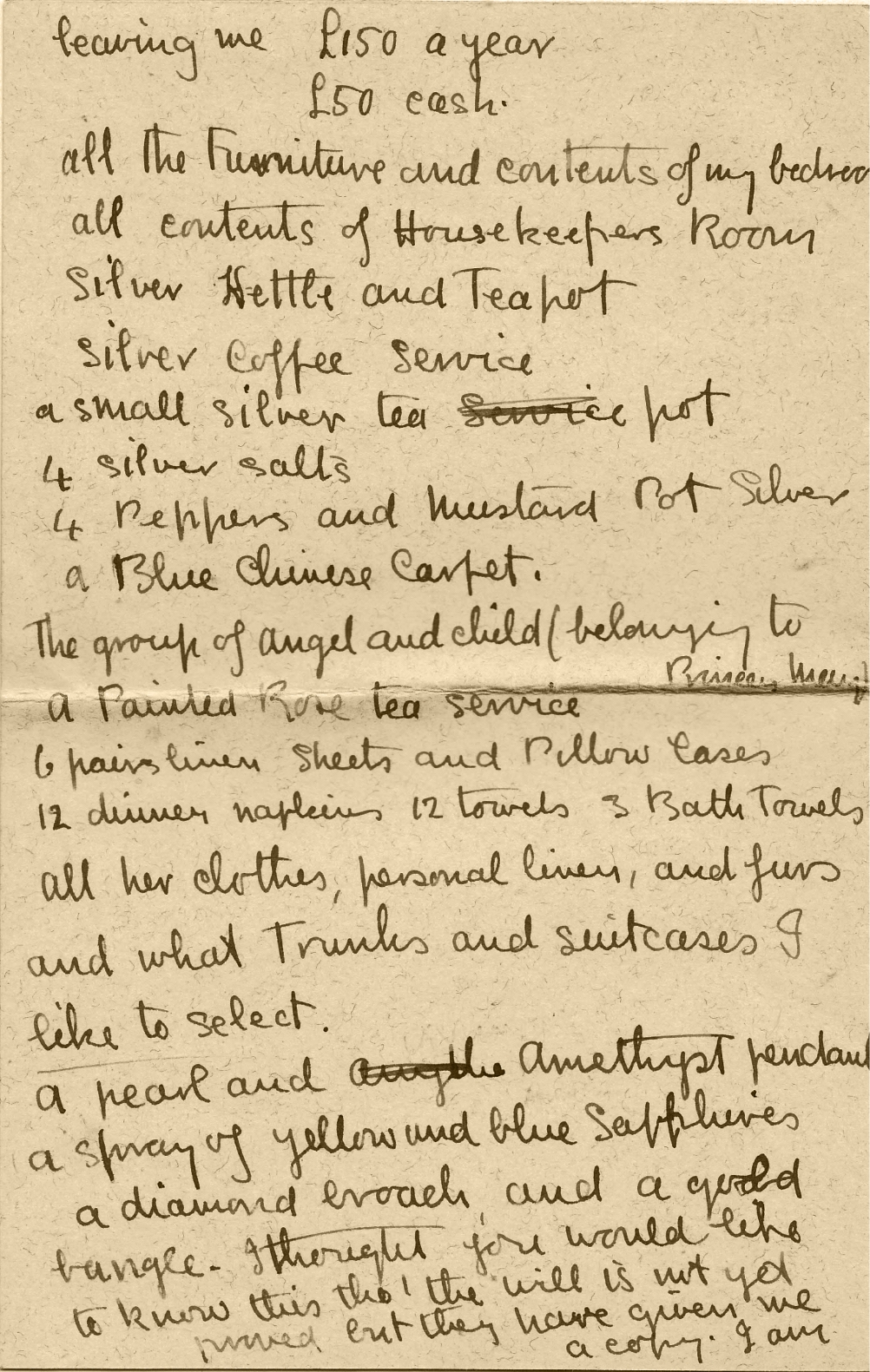
A page from Ethel’s last letter following Lady B’s death in 1933
The list of things that Ethel was left in Lady B’s will
I’ve never run a marathon and I never will but I think I’m right in saying that the hardest mile is not the last one but the one before that. You’re pretty much at the end of your physical and mental resources but the finishing line still doesn’t seem near enough for you to get that necessary rush of adrenaline to take you across the finishing line.
Well, I feel as if I have been running that penultimate mile with My Dear Elsie, the book I’m writing which incorporates letters sent to my grandmother by her close friend Ethel North, for over twelve months now. It was January 2021 when I last blogged to say that the book was finished (or so I thought!) and had been sent to my first three readers who’d kindly agreed to provide some initial feedback.
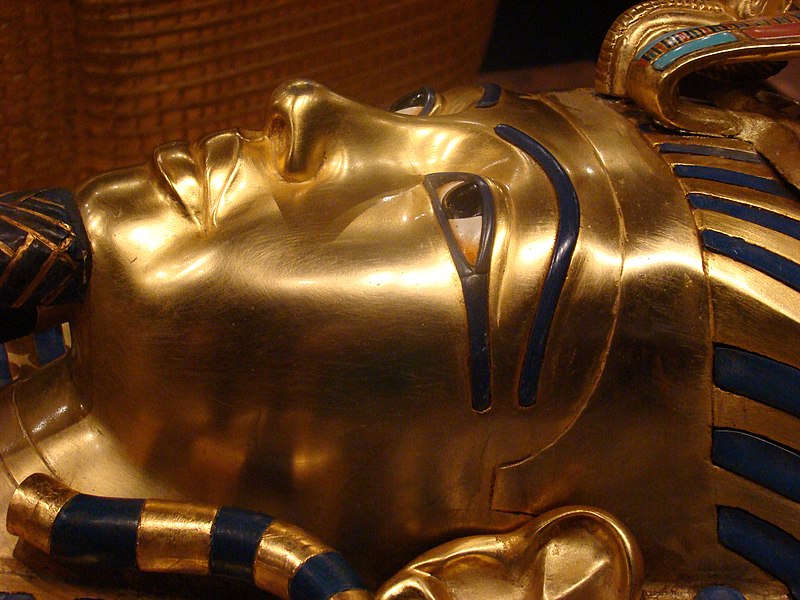
As I said at the end of that post, I had every intention of getting the book out by the end of 2021, especially as I was (and still am) keen for its publication to coincide with the 100th anniversary of the discovery of Tutankhamun’s tomb by Howard Carter and Lord Carnarvon (Lady Burghclere’s brother) in 2022.
Unfortunately that didn’t happen and it’s been for a combination of reasons. Firstly, I had more problems with the copyright issue on reprinting Ethel’s letters. There is copyright on old letters in just the same way as there is on any “creative” work and although I thought I was covered by a specific exemption in the Copyright and Patents Act, it turned out I probably wasn’t. It felt too risky to publish the letters without the permission of the “residual legatees” of Ethel’s will and it took over six months to get that sorted out during which time I didn’t really work on the book at all.
When I did finally get back to it, I spent a further two months going over all the feedback that my three readers had provided. Although it was generally positive, there were quite a number of things which they had brought to my attention in the manuscript and which I wanted to work through.
Then, just as I’d finished that and was ready to go to the final, final stages of editing, I had an accident and ended up in hospital with three fractures and a bleed on the brain. I’d only just recovered before I had major problems with house renovations, followed by a horrendous nosebleed just before Christmas which landed me in hospital again.
So things have not quite gone according to plan although I’m hoping that at some point I will look back on these recent challenges in my life and realise that they all happened for a reason. Only time will tell!
Anyway, I’m now working on the book again but my problem at the moment (more excuses!) is that new material has presented itself in the last few weeks which I felt I really wanted to include but may of course be just another way of procrastinating.
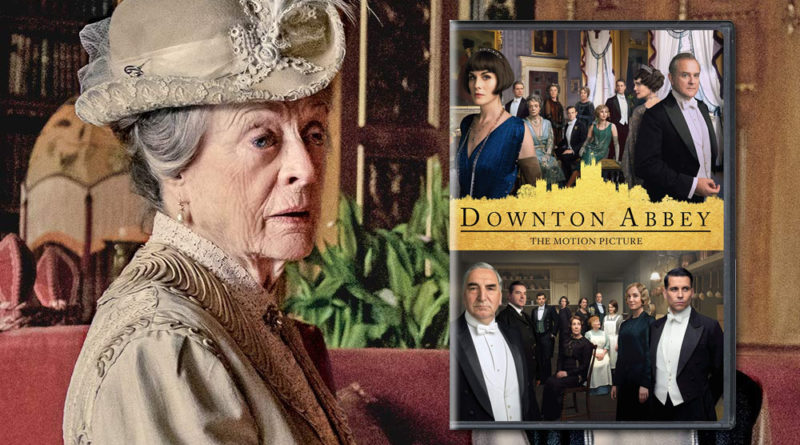
I watched the Downton Abbey movie when it came to terrestrial TV in January and that threw up some interesting information about the role of lady’s maids and also the marriage of Princess Mary which I wanted to research and add in. Then I realised that the 1921 census was finally available online and it was an exciting moment to find the entry for Ethel and Lady Burghclere, so more research and additions to the text followed.
Of course, it’s true of most projects that it’s often really difficult to know when to stop and “let go” of something but it’s probably also true that feeling as though you have run out of steam is a major factor, not to mention the concerns about the time and cost involved in self-publishing. However, I promise that I’m going to make one last supreme effort to keep my eyes fixed on the finishing line, picture the medal around my neck and give one last big push to get over the line.
It is finished! Yes, over 12 months since I outlined in my last post the plan to get Ethel North’s letters to my grandmother into a book called My Dear Elsie, I have finally done it. I crossed the finishing line just before Christmas and on Christmas Day itself, I sent the manuscript to my “first responders” as I’m calling them. They are three of my closest friends, two of whom are also writers and I am now waiting both eagerly and nervously for their feedback on the book before I start on the next stage which is getting it self-published.
I wrote that last post in November 2019 and clearly the world is a very, very different place since then. I could not possibly have imagined, when I was saying that I hoped to get the book ready for publication in 2020, that the year would be totally dominated by the global pandemic which is the coronavirus. It has certainly been an extremely challenging and incredibly difficult time for all of us, although my “silver lining” has been that it has made me focus almost entirely on the book as there has been little else to do, especially as my home city of Leicester has been locked down in some form or other since the end of March.
Source: Sky News
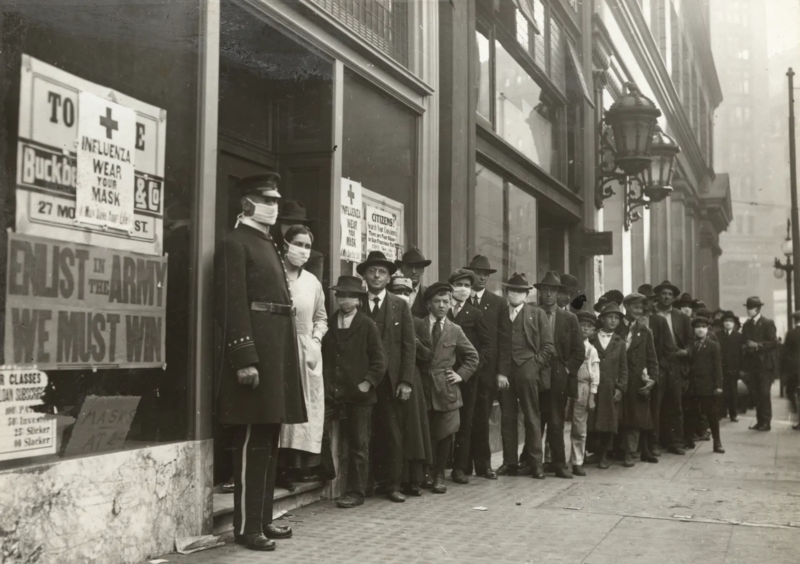
Of course, coronavirus is by no means the only global pandemic we have experienced in recent history, although the only one in our lifetimes. The last one occurred in 1918, the year before Ethel started working for Lady Burghclere, with the Spanish Influenza outbreak which spread across the world and resulted in over 50 million deaths worldwide. Fortunately, as I have said in the postscript to My Dear Elsie, neither Ethel, my grandmother nor Lady Burghclere were among those fatalities, otherwise there would never have been a book to write in the first place.
I came across an article in The Guardian newspaper recently by an epidemiologist who said that once a global pandemic has ended, history shows us that people often seek out greater social interaction with others. After the 1918 pandemic, this led to the decade of history known as the “roaring 20s” so it will be interesting to see what happens after the current pandemic ends. Certainly it feels at the moment that nothing will ever be the same again.
Mask wearing is nothing new (CC Wik)
If you are interested in finding out more about the influenza pandemic and its similarities and dissimilarities to the current pandemic, this article (also from The Guardian) might be of use. I was particularly fascinated by the references to mask-wearing, school closures and cancelling Christmas!
Anyway, I will definitely try and keep you posted on my progress with the book. I feel very strongly that for all sorts of reasons it needs to be finished, published and ready for marketing by the end of 2021 if not before, so here goes!
Well, it’s taken me seven years, believe it or not, but I’ve finally finished typing up, researching and writing the end notes for all the letters and postcards that Lady Burghclere’s lady’s maid, Ethel North, sent to my grandmother between 1919 and 1933 and which I hope to include in my proposed book My Dear Elsie.
It’s certainly been a marathon task as there are about 80 pieces of correspondence altogether and if I’d known how long it was going to take me to transcribe them all, I would probably never have started!
Of course, there is still a great deal of work to be done before the book is finished, let alone published, but I do feel as if I have reached quite a significant milestone. I actually felt quite sad when I finally arrived at the last letter as I have really enjoyed listening to Ethel’s “voice”, hearing her news and wondering what famous people or events she would be mentioning, on an almost weekly basis, for the last seven years.
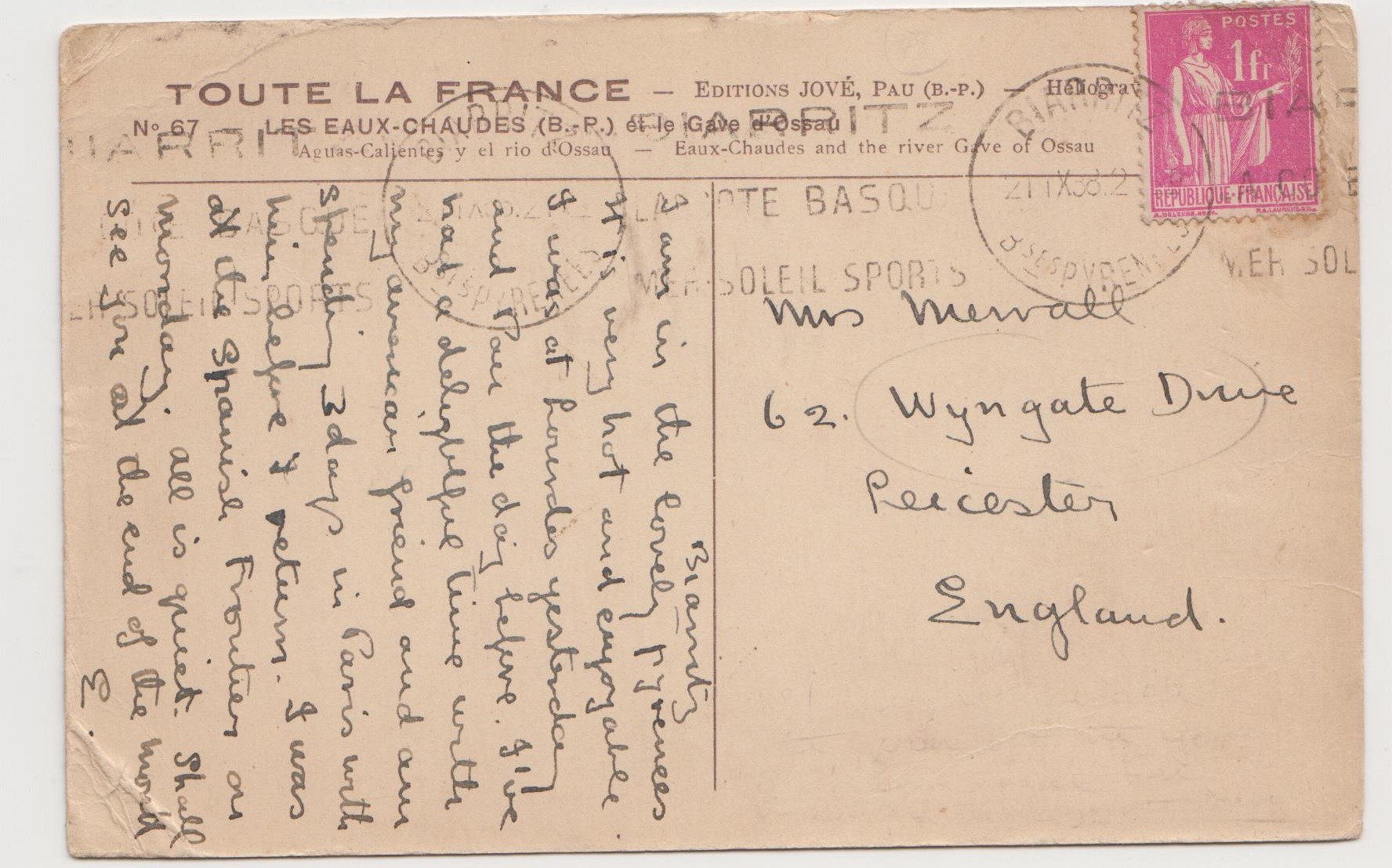
The last postcard that Ethel sent. France 1938.
One of the reasons why it has taken so long to work through everything is because of how much research I’ve ended up doing. Every letter and most of the postcards often contained at least half a dozen, and often many more, references to such a variety of different things that I knew little or nothing about and felt that a reader might benefit from knowing more about too.
For example, for just the final four items in the collection which are one letter and three postcards, I have researched, among other topics:
Charlotte Bronte’s novel Villette
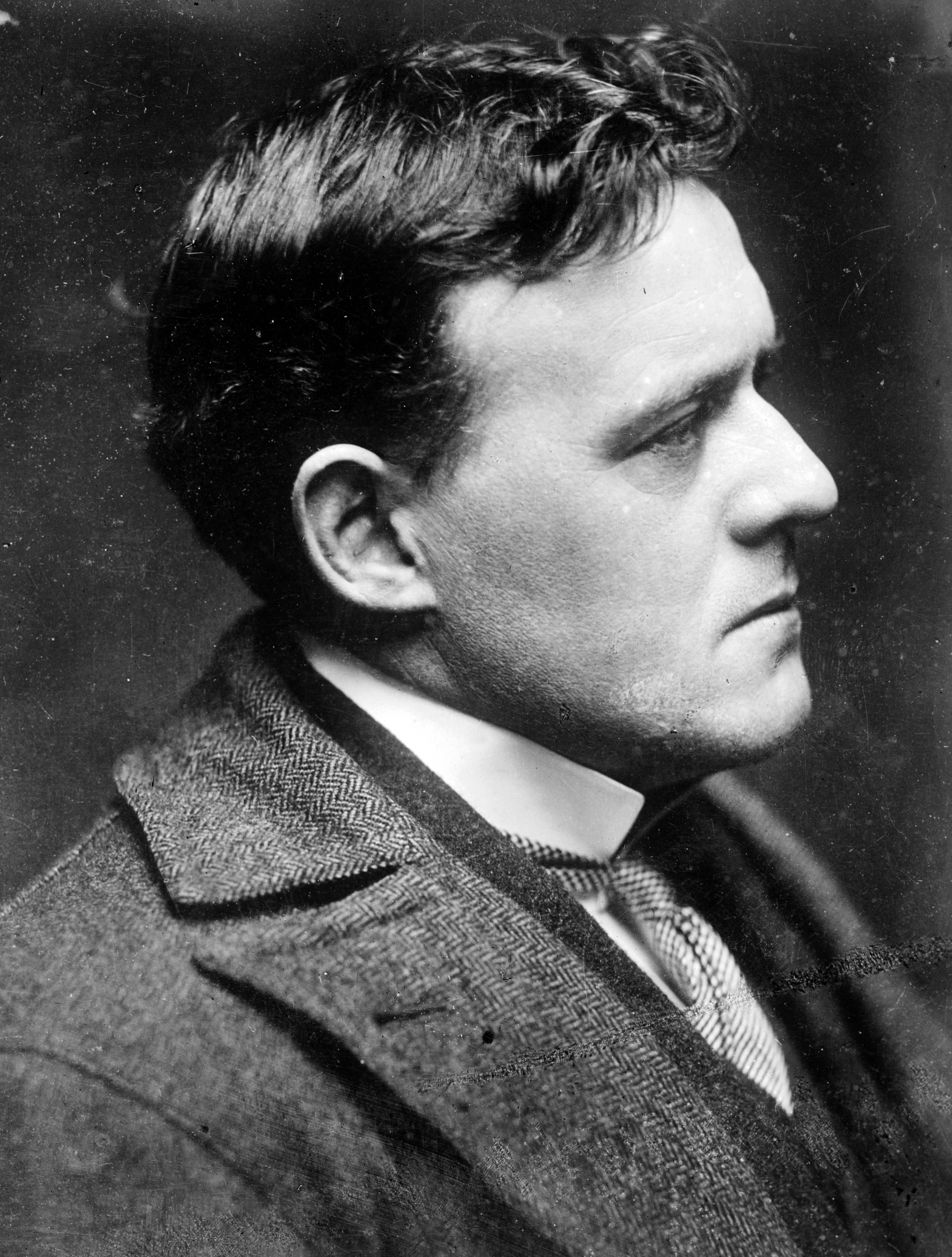
The poet Hilaire Belloc
Hungary in the 1930s
Yugoslavia in the same period
The Balkan wars in the 1990s
Famous people who visited the holiday destination of Biarritz
Religious pilgrimages in the 1930s
The French royal city of Pau
The 1930s cost of a ship berth from New York to France
The Spanish Civil War
The 23rd Psalm
The British commander at the siege of Calais
Victorian salt cellars
The poet Hilaire Belloc, 1910. (CC. No attribution required.)
Of course, someone with considerably more knowledge of British and European history, geography, literature, early 20th century travel, religion and antiques might not have needed to have spent as much time on the research as I did! And of course, as I have discovered over the last seven years, research can take you down all sorts of unexpected rabbit holes which may or may not lead to anything that will be included in the finished book but have still used up vast swathes of time.
So, what’s next? Well, my plan is to do yet more research, but this time on what happened to Ethel after she left Lady Burghclere’s service in 1933. I already have a few clues to go on but I’m hoping to find one of those experts to help me who frequently pop up on the television programme Who Do You Think You Are? You know the sort of person that I’m talking about. “This is Professor Josephine Smith. She’s an expert in 17th century soldier’s uniform buttons.” Or something like that.
Then I want to write the Epilogue and the Foreword to the book, edit it (as ruthlessly as I can), add a list of names used in the letters, find someone to compile an index and possibly a family tree or two, ask some willing volunteers to read it, edit it again and then find someone to help me self-publish it.
Not a lot left to do, then ! I sincerely hope that all the above is not going to take me another seven years and in fact my plan is to do all of that over the next twelve months or so. I’d really like to have the book ready to publish in 2020 and there are now so many people who have said that they want to buy it or read it that I feel somewhat obliged to really crack on with it.
So, onwards and upwards, and I’ll try to keep you updated on my progress whenever I can.
It’s difficult to know whether to wish you a Happy Thanksgiving, a Happy Christmas and New Year, a Happy Easter or a Happy May Day as so much time seems to have gone by since I last blogged. But the good news is…the end is in sight for ‘My Dear Elsie’, the book I’ve been writing for longer than I care to remember and which is based on a fascinating collection of old letters and postcards written to my grandmother by her close friend Ethel North, lady’s maid and companion to Lady Winifred Burghclere.
Here is what I have left to do:
Write the introduction for the seventh and final section of the book.
Type up, research and write the end-notes for the remaining twelve letters and postcards. (I know that sounds a lot but I had about eighty to do when I first started).
Write the epilogue as a sort of “What happened next?” section.
Put together a list of “Who’s Who” of the main protagonists, like the dramatis personae at the beginning of a play because trust me, the readers will need one!
Draw up family trees for Ethel and for Lady Burghclere.
Write the bibliography, appendices, acknowledgements etc.
Ask a few carefully selected people to read it.
Edit the whole book.
Proof-read the whole book.
Get it published.
Hmm…maybe the end isn’t quite as much in sight as I thought it was. Nevertheless, I do feel that I’ve finally reached the top (or nearly the top) of the mountain and that I’m at least looking at the descent now, even though I still feel quite a long way from base camp.
At the risk of mixing my metaphors, I suppose it’s a bit like running a marathon. The penultimate mile is supposed to be the toughest. Your legs feel like lead, your lungs seem about to burst and you think you’ll never make it to the end. But that final mile, when you can actually see the winning post with those silver blankets, water bottles and kindly stewards ready to hand out your medal, is the one that allows you to dig deeper than you ever thought you could and find that extra bit of energy and muscle-power to finally propel you over the finishing line.
Hopefully that will be the case for me with ‘My Dear Elsie’ so on that note, I shall now stop writing this blog post, have a chunk of Kendal Mint Cake and get my running shoes back on.
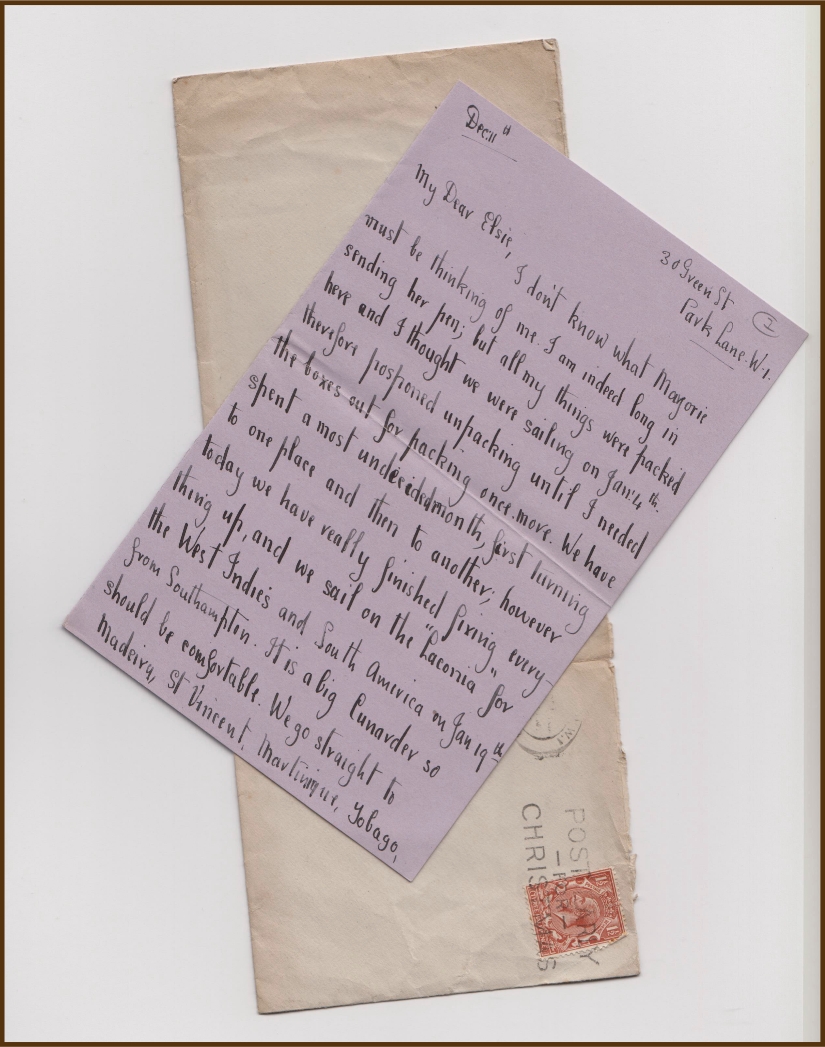
We have spent a most undecided month, first turning to one place and then to another. However, today we have really finished fixing everything up and we sail on the “Laconia” for the West Indies and South America on Jan 19th from Southampton. It is a big Cunarder so should be comfortable. We go straight to Madeira, St Vincent, Martinique, Tobago and the Barbadoes, Trinidad, La Guayra (Venezuela) and the Panama Canal, then up to Jamaica, Havanna, the Bahamas and Bermuda. The Laconia then returns to England but we are going to stay a month in Jamaica and then cross to America, either to New Orleans or Palm Beach in Florida.
This is the opening section of the letter that Ethel North, Lady Winifred Burghclere’s maid and companion, wrote to my grandmother in December 1928. It is the letter I am currently typing up and researching for my proposed book My Dear Elsie and is another example of an “innocent” looking letter that ends up packing quite a punch.
The letter that Ethel wrote to my grandmother in 1928
When I looked up the RMS Laconia, expecting to find nothing more than details of a palatial cruise liner, complete with swimming pool and piano lounge, I discovered something called “the Laconia incident”. This turned out to be one of the most controversial and tragic incidents of the Second World War although I had never even heard about it.
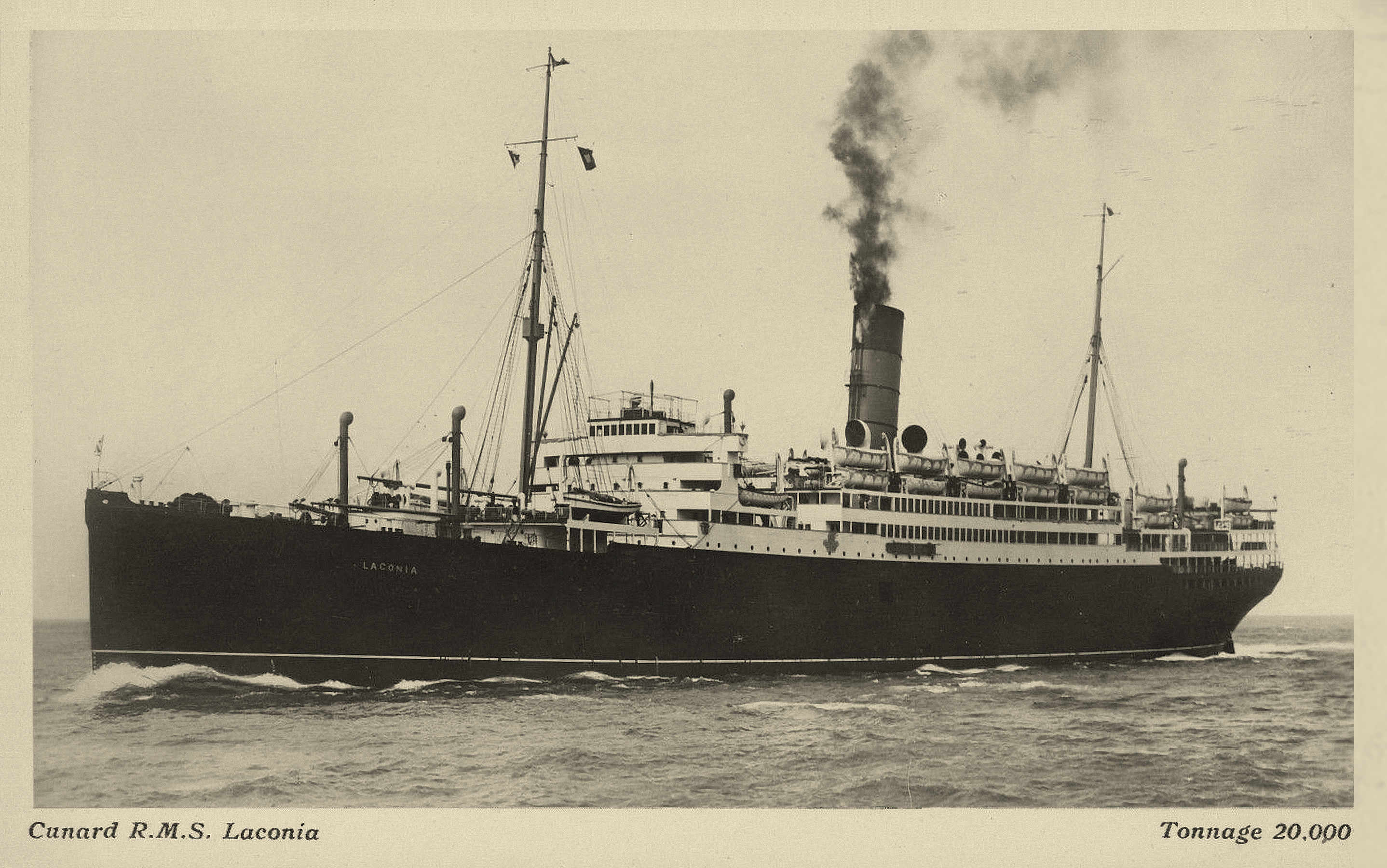
The Laconia made her maiden voyage from Southampton to New York in 1922, six years before Ethel’s letter was written. When WWII broke out in 1939, the cruiser was commandeered by the British Government as a troop ship and fitted with guns. In September 1942, she was on her way from Egypt to Britain with around 2,700 people on board among which were 1800 Italian POWs and 80 civilians including women and children who were mainly the families of servicemen.
A menu from the Laconia dated December 25th 1937 (CC)
Just off the coast of West Africa, the Laconia was detected by a German U-boat which, given that Britain was at war with Germany, proceeded to torpedo the ship. Several hundred people on the Laconia were killed instantly and around 2,000 survivors ended up in the shark-infested waters of the Atlantic Ocean.
What happened next is a remarkable example of man’s “humanity” to man, given that this was war-time and all bets were off. The commander of the German U-boat, a man named Werner Hartenstein, decided to act on his own initiative, regardless of how badly it would go down at German HQ and began to mount a rescue operation to save as many of the survivors in the sea as possible. How his crew felt about this is anyone’s guess, given that only a few hours before they had been instructed to fire torpedoes at the same people.
With the rescue mission well underway and his submarine still on the surface of the water, Hartenstein requested assistance from other shipping in the area. As a result, a small convoy of German U-boats with life boats containing survivors and flying under the banner of the Red Cross, was able to make its way towards the French rescue ships that had set out to meet them from Senegal.
Unfortunately, news of the convoy reached a nearby American airfield. A B-24 bomber pilot who, either because he didn’t see the Red Cross banner or saw it and chose to ignore it, spotted the convoy and asked for orders. The Airfield commander, Captain Robert Richardson, decided to give the command to bomb both the U-boats and the life boats. As a result, Hartenstein was forced to order many of the survivors he had rescued to be thrown back into the sea so that he could perform a crash dive to protect his submarine and crew. A total of 1,113 survivors were eventually rescued, but 1,619 died, most of whom were the Italian POWs that had been kept in the hold of the ship. Altogether, of the 2,725 passengers that had embarked from Cape Town, only 1,500 survived.
A postcard of the Laconia c. 1921 (CC)
As a result of what later become known as “the Laconia incident”, German authorities issued instructions to all U-boat commanders not to rescue survivors in the future. Hartenstein himself was killed six months later when his U-boat came under fire from Allied Forces while Captain Richardson was never prosecuted but went on to serve a long career in the US Air Force and lived until he was 92.
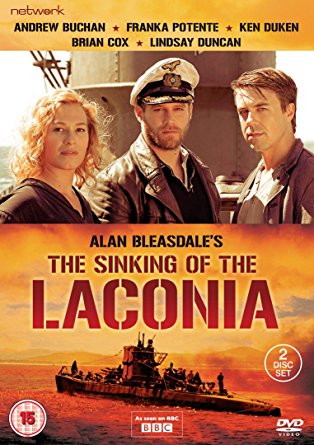
In 2004, the acclaimed TV dramatist Alan Bleasdale heard about the story of the Laconia and became fascinated by it, especially when he discovered that many of the sailors who had been on board the ship came from his home city of Liverpool. He decided to write a play entitled The Sinking of the Laconia and this aired on the BBC in 2011.
By a strange coincidence, Bleasdale’s play was shown again on the BBC in May 2018, just a couple of weeks after I had found out about “the Laconia incident” myself. I watched it with some trepidation, partly because I’m not comfortable watching dramas about incidents where real people have been killed (I’ve never watched the film Titanic for that reason) and also because I thought it would be pretty harrowing. It was, but it was also extremely well done, very gripping (even though I knew the ending) and really made me think about what the poet Wilfred Owen described as “War, and the pity of War.”
It also made me think a lot about who the good and bad guys were in this whole tragic incident. Of course, it helped that the role of the German U-boat captain Werner Hartenstein was played by an extremely handsome German actor and the American Airfield commander was not, but the play does have a great deal to say about the ethics of war.
The DVD cover of Alan Bleasdale’s drama
If you are interested in finding out more about The Laconia Incident, I can highly recommend the following links which include some very moving testimonies from those who were on board and survived.
Of course, whether Ethel and Lady Burghclere actually got to sail on the Laconia and visit all those places that Ethel lists at the beginning of her letter is another story. You will have to keep following this blog (or wait for my book to get published!) to find out.
A very belated Happy New Year. If I had left this blog post much longer, I would have probably been sending you New Year greetings for 2019 instead of 2018.
I must admit it has been quite a struggle to keep going with the Ethel letters since all the excitement last autumn of having the project featured as a double page spread in The Mail on Sunday newspaper. It was difficult accepting that once again, despite the extensive coverage in the paper and the reporter’s tremendous enthusiasm for the letters, I still don’t have even a sniff of a book deal for My Dear Elsie. So it’s back to the drawing board. Again.
The letter I have just finished typing up and researching was quite short by Ethel’s standards and looked very innocuous at first glance. However, it turned out to be absolutely packed with interesting information, so much so that my explanatory end-notes are longer than the actual letter itself.
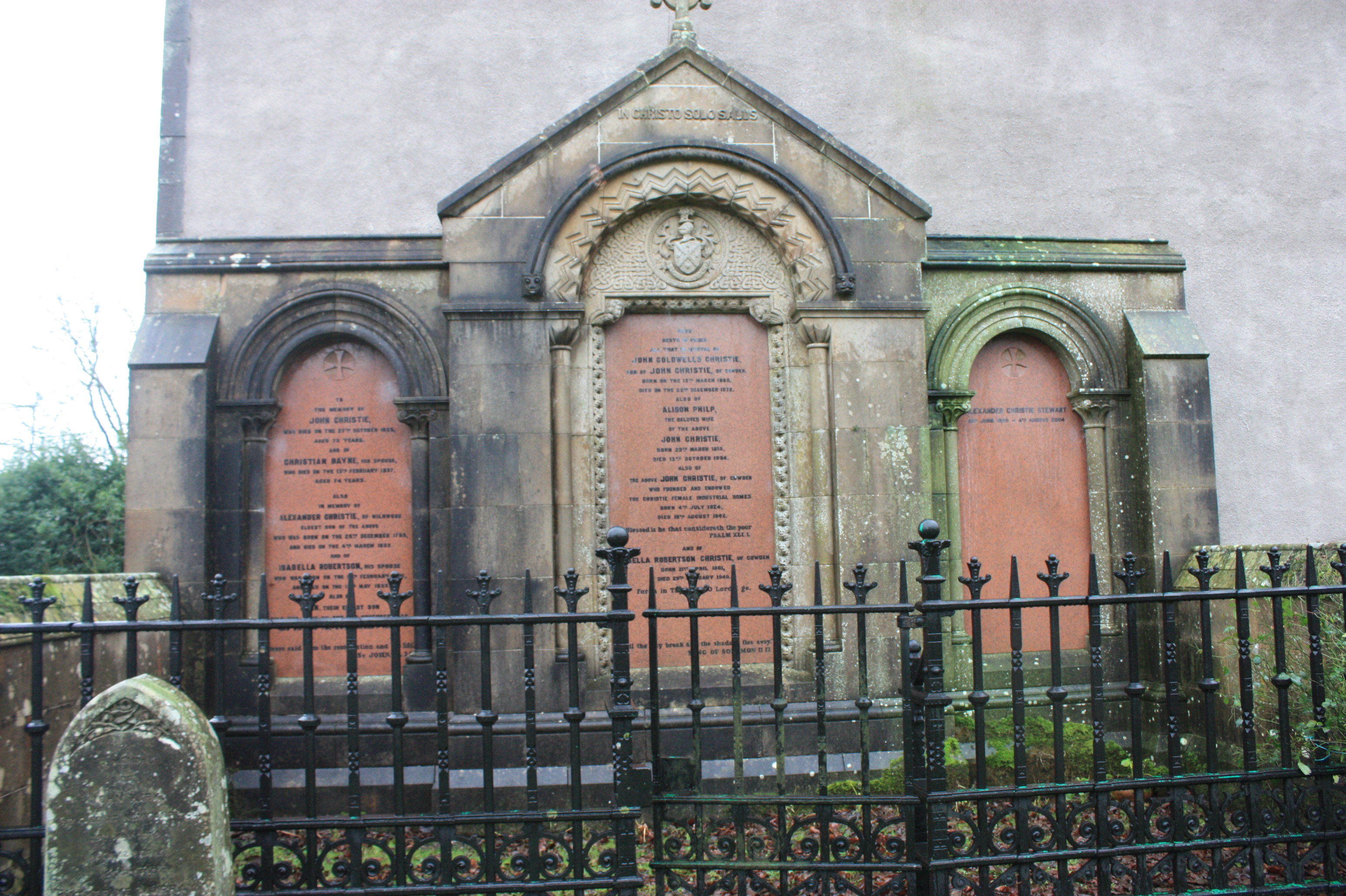
Ethel wrote this letter to my grandmother in August 1928 when she and Lady Burghclere were staying at Cowden Castle, the remains of a 14th century castle near the village of Dollar in Clackmannanshire, Scotland. By the time Ethel and Lady Burghclere were visitors there, the castle had become the site of a mansion house built by wealthy land-owner John Christie.
John Christie’s grave in Muckhart churchyard (CC)
I was interested to discover that John Christie’s daughter Ella Christie, who had inherited the property on her father’s death and was managing the estate at the time of Ethel’s visit, was quite a character. She was an explorer and travel writer, as well as the first Western woman to have met the Dalai Lama. Sadly there is no mention of her in the letter as I can’t help feeling that she and Ethel would have had a lot in common.
Ella Christie was also responsible for supervising the construction at Cowden Castle of what has been described as “the best Japanese garden in the Western world”. Although the mansion house was demolished in 1952, the Japanese garden (laid out between 1907 and 1930) was preserved and eventually re-opened to the public in 2016. If you would like to find out more about it, there is some very useful information about the garden and also about Ella Christie at www.cowdengarden.com
Japanese garden at Cowden Castle (Copyright: Sara Stewart)
According to Ethel’s letter, the reason why she and Lady Burghclere were staying at Cowden was because they were on “the usual round of Scotch visits” and were due to have gone to stay with Lord Haldane at his home in the Scottish town of Auchterarder next. However, they had been “put off” because he was seriously ill and in fact his Lordship died just a few days after Ethel’s letter was written.
I must confess to never having heard of Lord Haldane but when I did some research on him, it turns out that he was quite a player. (It never fails to amaze me how Ethel seems able to interact with the leading figures of the day just as if she was interacting with her father’s customers in his butcher’s shop!)
Lord Haldane (CC)
Lord Haldane was a politician, a lawyer, an educationalist and a philosopher. He had been Lord Chancellor from 1885-1910, Secretary of State for war (during which time he implemented some very important military reforms including the establishment of the British Expeditionary Force), one of the founders of the London School of Economics, and Chancellor of the University of St Andrews. In his obituary, The Times described him as “one of the most powerful, subtle and encyclopaedic intellects ever devoted to the public service of his country.”
During my research, I came across this cartoon from a 1909 edition of Punch. It depicts Lord Haldane at a meeting of Prime Minister Herbert Asquith’s cabinet discussing what became known as the People’s Budget. Lord Haldane is on the back row (far left) and next to him is Winston Churchill who is being hugged by David Lloyd George. It’s incredible to think that a close friend of my grandmother’s moved in such circles.
Meeting of Asquith’s Cabinet (CC)
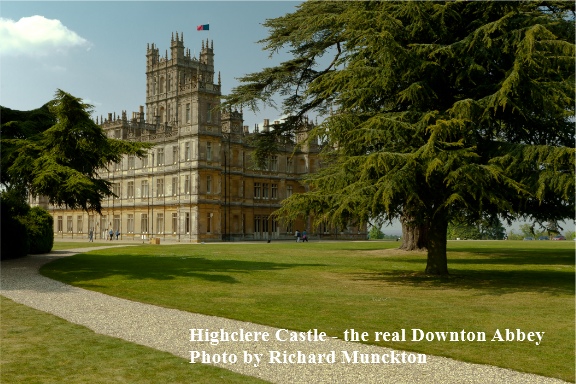
The third paragraph of Ethel’s letter bemoans the fact that she and Lady Burghclere were not going to be able to stay at the Lake House that year. Milford Lake House, as it was then known, was situated in the grounds of Highclere Castle (the main location for the filming of the popular television series Downton Abbey) and later became the residence of the 7th Earl of Carnarvon. Ethel was clearly not impressed by this change of location.
We have not been given the Lake House this year, so the Dowager Lady Carnarvon has lent us Teversal Manor near Mansfield instead. It will seem very ugly country after the Lake.
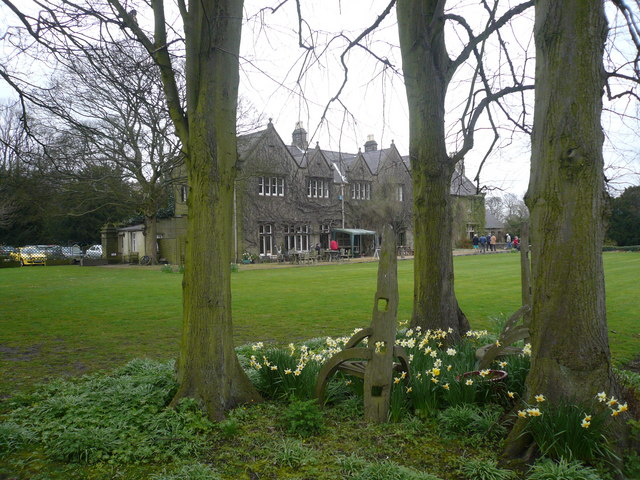
The village of Teversal is about five miles from the town of Mansfield in Nottinghamshire, a county in central England. Teversal Manor had been inherited by Lady Burghclere’s step-mother Elsie after the death of her husband (the 4th Earl of Carnarvon) and is widely believed to have been the inspiration for the fictional Wragby Hall in Lady Chatterley’s Lover, the notorious novel by DH Lawrence.
Teversal Manor Garden (Alan Heardman CC)
The property remained in the Carnarvon family until Elsie’s death, a few months after Ethel’s letter was written, after which it was sold to a local mining company. It seems likely then that Ethel and Lady Burghclere were among the last visitors to Teversal Manor while it still belonged to the Carnarvon family and judging by the size of it (the property was put on the market for £1million in 2013) they must have been rattling around like two peas in a pod.
This letter is also the one which contains what is possibly my favourite “Ethel-ism” from the whole collection and I can still remember how surprised and amused I was when I discovered who Ethel was talking about here.
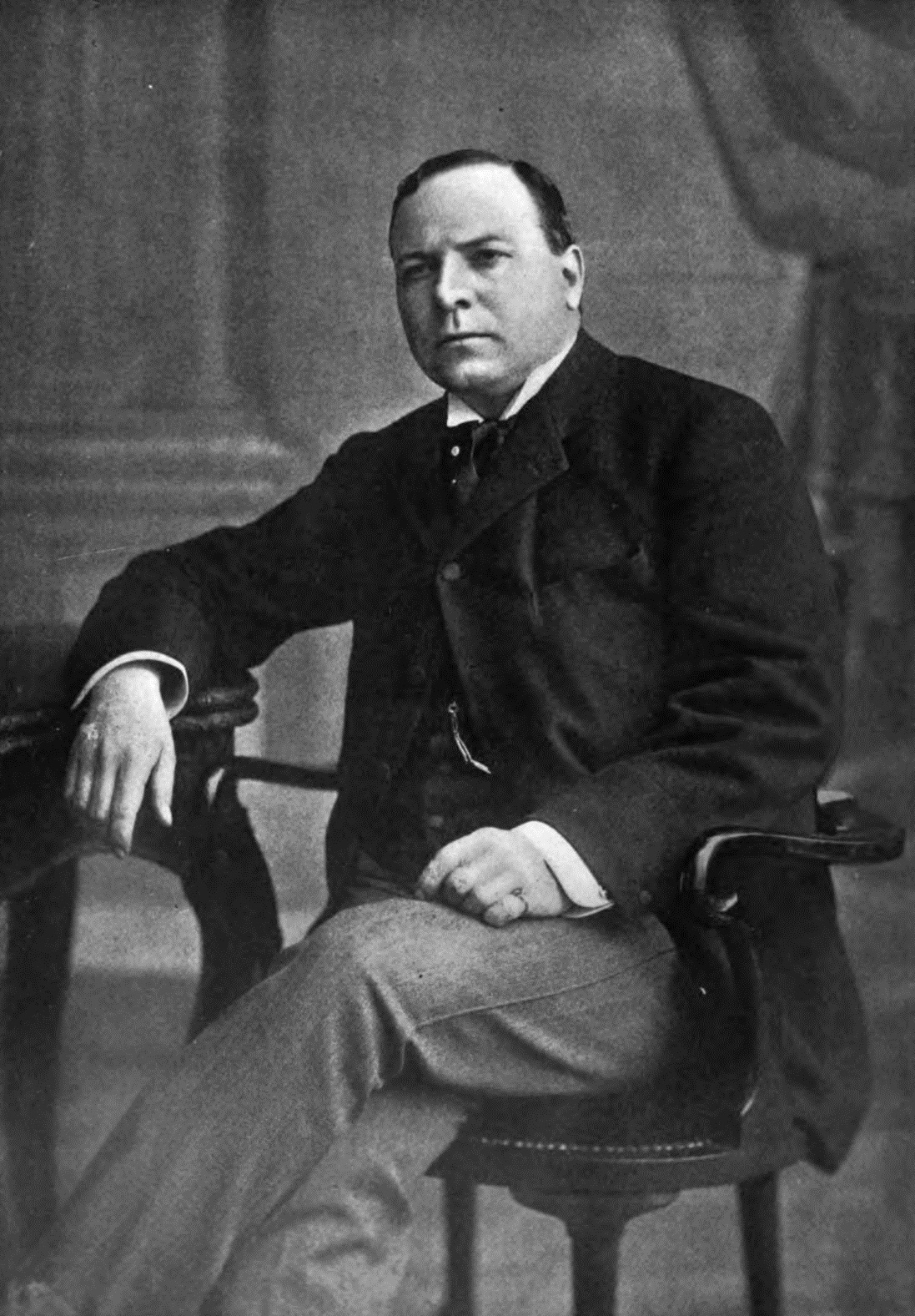
Miss Evelyn got married against Lady B’s wishes last month. As far as we can judge, a very unsatisfactory young man whose only living is an occasional book.
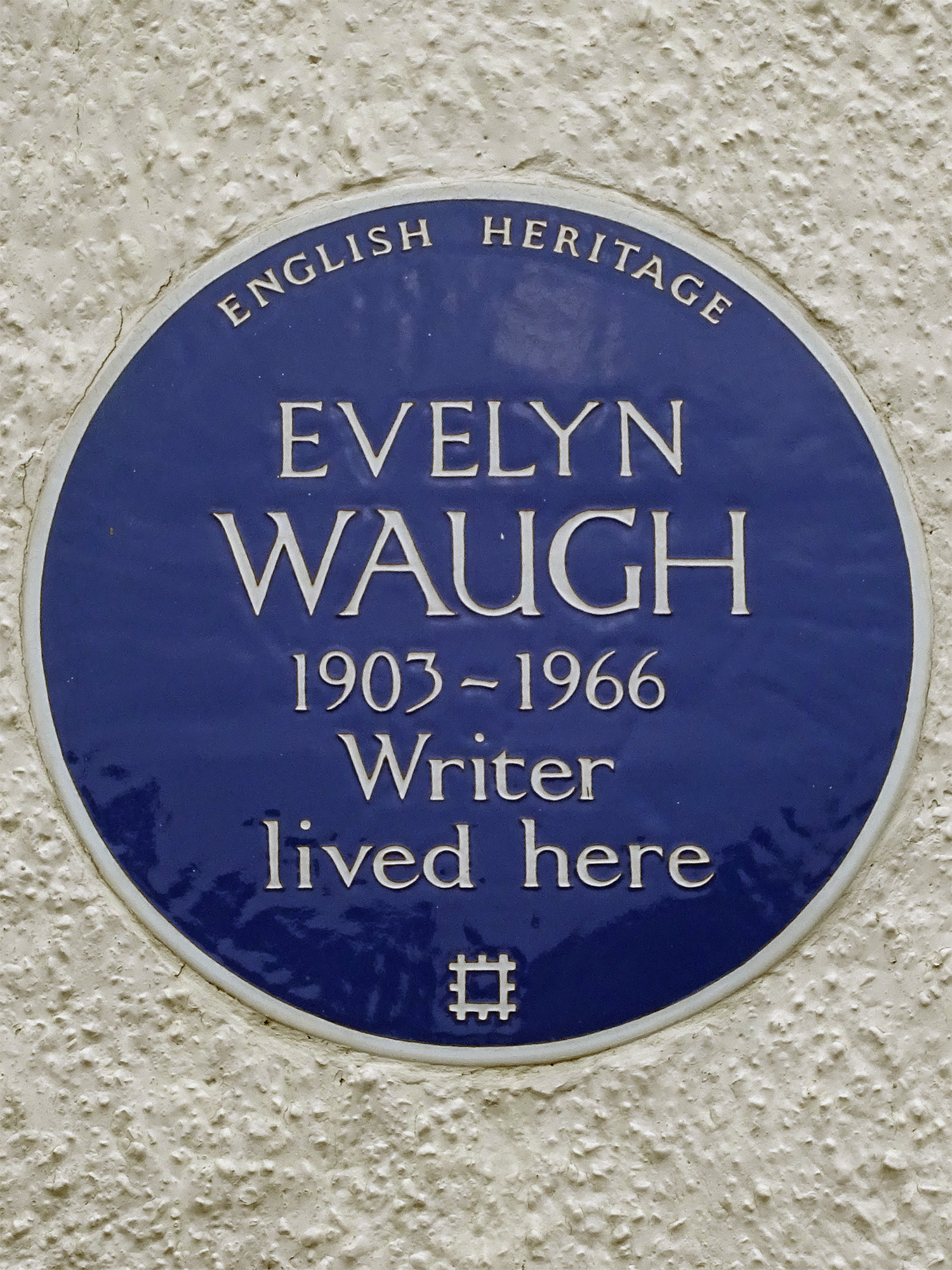
Miss Evelyn is, of course, Lady Burghclere’s youngest daughter but the “very unsatisfactory young man” that Ethel refers to was in fact Evelyn Waugh, now considered to be one of the most influential and widely read English novelists of the 20th century. Hindsight is indeed a wonderful thing.
Blue Plaque erected at Golders Green in 1993 (CC)
Finally, this letter also mentions Lady Burghclere’s daughter Mary and the fact that she has now divorced her husband but is about to marry again.
Mrs Hope-Morley divorced Mr H-M in June. She left him on a deed of separation 18 months ago and at the beginning of this year, went off to South America and is still there with a young man until the decree nisi is made absolute and she can marry him. So altogether we have had a nasty time since our return from abroad.
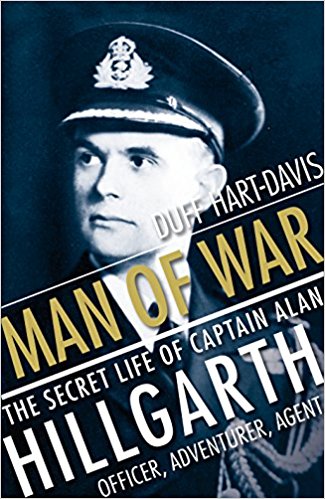
This “young man” was Captain Alan Hugh Hillgarth and Mary did indeed marry him (in 1929) although they divorced some years later. It transpires that Captain Hillgarth wasn’t just your average suitor. He was a British diplomat, novelist, and spy who had left active service in 1922 and was now pursuing a career as a writer of adventure novels. He had also embarked on a series of real-life adventures including becoming military advisor to the Spanish Foreign Legion, sailing to Florida, searching for gold in the Andes and writing a musical comedy. You can probably see the attraction!
Cover of Alan Hillgarth biography by Duff Hart-Davis
So, a very innocuous looking letter but one which turned out to be full of fascinating information and some great examples of Ethel not being afraid to express her opinions, especially where protecting Lady Burghclere was concerned.
There is also the first hint in this letter that the relationship between mistress and servant may be about to take a new direction.
I spent part of my holiday at Bognor with the rest of the family during those lovely, hot weeks at the beginning of July. I still have another week to take but don’t know about that yet. Holidays cut up in this fashion are not as satisfactory as a clear month but it now seems the only thing to do. I don’t like leaving her [Lady Burghclere] all alone for such a long time.
But more of that in future blog posts. Meanwhile, that drawing board is calling so I need to get back to it, while also trying to type up and research the rest of the letters.
Have a really good 2018, what is still left of it.
In my last post, I promised I would reveal news of probably the most exciting thing that has happened with Ethel North’s letters to my grandmother, ever since I began working, over seven years ago now, on trying to get them published as a book, and now I can.
The Mail on Sunday, which is one of the UK’s most prestigious Sunday newspapers, ran a double-page feature about the letters and my proposed book, in the paper today. Their chief reporter contacted me, completely out of the blue, about ten days ago and asked if I would be willing to allow them to do a feature based on the letters. Of course, I said ‘Yes’ and after a few phone calls, many emails, a lengthy interview and a visit from a photographer, the feature appeared in the paper.
I am very pleased indeed with how it looks and I am hoping that the exposure in such a high profile publication will spark off more interest in the letters and possibly even bring about that much-sought-after book deal, especially as The Mail on Sunday article really emphasises the Downton Abbey connection.
You can view the feature online if you follow the link below and in the meantime, I promise to keep you up to speed with any further developments.
I hope this finds you fit and well, whichever part of the world you are in.
I have some news. It is probably the most exciting thing to have happened since I began this journey, over seven years ago, of trying to get Ethel North’s letters to Lady Burghclere published as a non-fiction book and I shall be revealing much more very shortly, so watch this space!
Meanwhile, I have been making steady progress (as it used to say on my school reports) with typing up Ethel’s letters, and researching and writing the footnotes. At the moment, I am immersed in the letter she sent to my grandmother from the Holy Land, which she visited with Lady Burghclere in March 1928.
This letter was written from Government House, the High Commissioner’s Residence, in Jerusalem and is probably the longest letter in the entire collection. (There are about 80 letters and postcards altogether and they cover the fourteen years that Ethel was employed as lady’s maid and companion to Lady Winifred Burghclere, the elder sister of the 5th Earl of Carnarvon, or ‘Lady B’ as Ethel refers to her in the letters.)
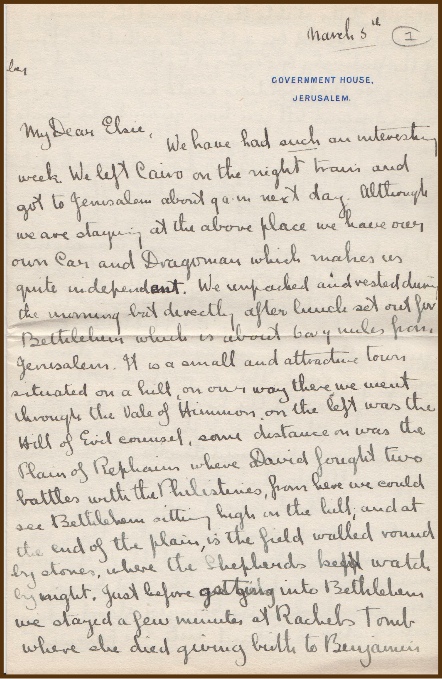
“We have had such an interesting week. We left Cairo on the night train and got to Jerusalem about 9am next day. Although we are staying at the above place [Government House], we have our own car and Dragoman which makes us quite independent.”
The first page of Ethel’s letter from Jerusalem, March 1928
The Jerusalem letter is a particularly challenging one to work on because it is full of Biblical place names and references, most of which need to be researched. Fortunately, I used to be a Religious Education teacher before I became a writer and I also have a degree in Biblical Studies, so it is probably not quite as difficult a challenge for me as it would be for anyone else.
There is no doubt that Ethel was a very religious person and she is clearly moved, in a spiritual sense, by everything she sees. Her poetic descriptions of her surroundings are also a delight to read.
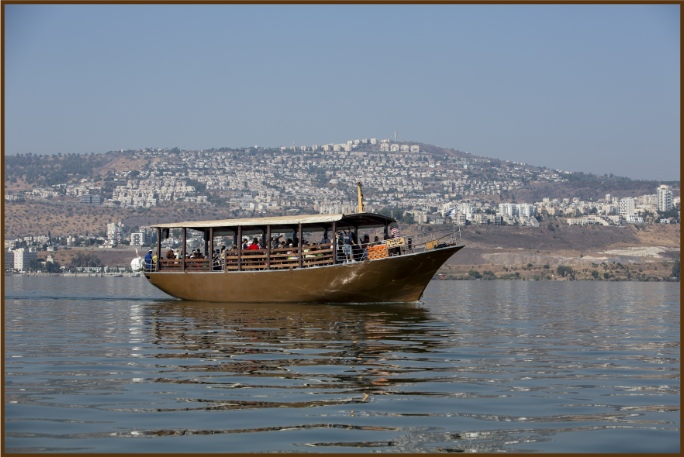
“The calm of Galilee on a perfect spring morning is like no other calm except the desert and I think it is greater and sweeter, a less passionate calm. As one sails on the Sea of Galilee, it is as if one draws near to the Son of God, remembering all the time that on those quiet waters, as still as glass and hedged about by thickets of wild oleanders and lilies, the miraculous feet had walked.”
Sea of Galilee with Tiberias in the background Photo Credit: Israel_photo_gallery (CC)
I also find it fascinating that Ethel never seems to doubt that any of the places they visit are definitely the actual places where the characters from the Bible lived and worked.
” And so we came to the little town of Nazareth. We had lunch (brought with us) just outside the town and left the car, as the streets are not possible for anything but walking or riding on a donkey. We visited the home of the Virgin Mary and the workshop of Joseph and then just outside the town, what is now called the ‘Well of the Virgin’. It is certain that Mary must have come here for her water day by day and no doubt the child Jesus in his early days must have come with her, as do the children of today. “
Ethel and Lady Burghclere certainly covered a lot of ground on this trip, including visiting Tiberias and Nazareth, as well as many places in between, on just one day. The next day they travelled to Damascus.
“We left Tiberias for Damascus very early in the morning as it is a day’s journey through the Lebanon Mountains. We crossed the River Jordan for the last time, so I took photos and two bottles of the water. We made a very long ascent as at Tiberias, we were a thousand feet below sea level and Damascus is up four thousand feet. The scenery changed as we went further into Syria and became a wilderness of barren, stony mountains. But it was a delicious drive.”
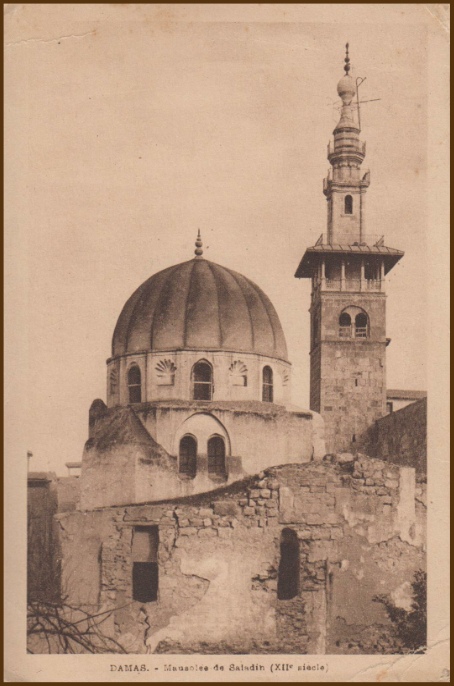
Once again, Ethel shows a “poetic” style of writing in her description of Damascus.
“Damascus, where I now am, is an oriental city and viewed from the mountains above, is like a pearl set round with emeralds. It is a city that is ethereally lovely, exquisitely eastern and almost mystic in its fragile grace.”
The postcard Ethel sent from Damascus
The Jerusalem letter ends with them staying at the Continental Hotel in Beirut or ‘Beyrout’ as Ethel calls it.
“Here I am at the end of the journey. We were snow-blocked in the Lebanon Mountains coming from Damascus to Beyrout, so had to abandon our car and take the little mountain train until the road got clear. We then picked up another car which brought us down to Beyrout and will take us to Haifa tomorrow. Everywhere here is very luxurious in vegetation. The flavours of the oranges and bananas are wonderful. I shall never have such fruit to eat again. The town of Beyrout we do not care for much but the surroundings are beautiful.”
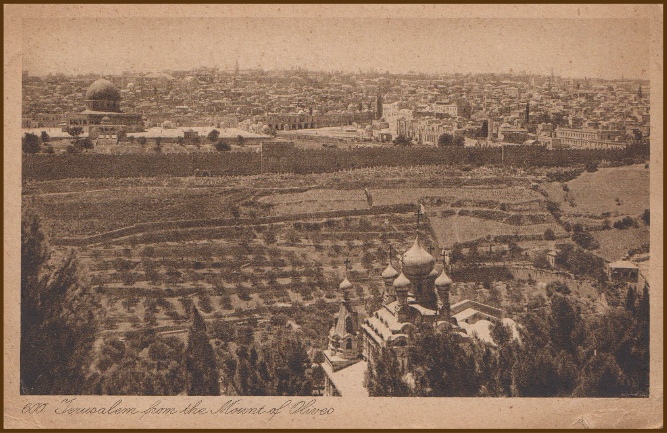
The trip to Jerusalem and its surrounding area seems to have had quite a profound effect on Ethel and she ends the letter by saying this.
“I am so sorry that these long days in the fresh air and sunshine, with the road all to ourselves, must soon cease. How beautiful it has all been! A pilgrimage and a revelation which will always be a living and perpetual memory.”
Ethel’s postcard showing Jerusalem from the Mount of Olives
There are just two postcards left to type up from this trip and then the pair of them are back in Scotland and London for the rest of 1928, before going to Rome in 1929 for what would sadly turn out to be their final major excursion abroad.
So the end is in sight!
That’s all for now but I will be back soon with some very good news indeed, I hope.
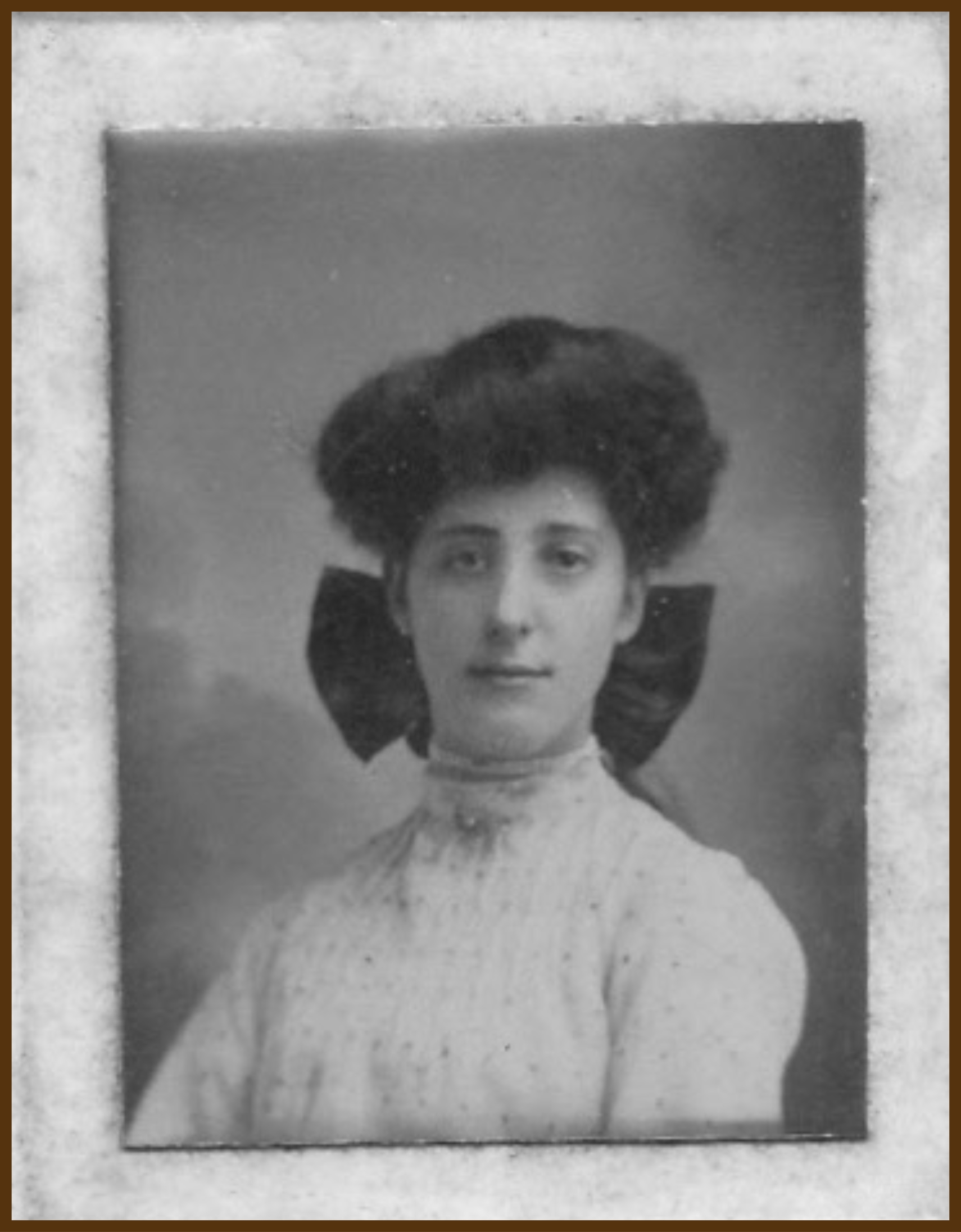








 Lady Burghclere and Ethel